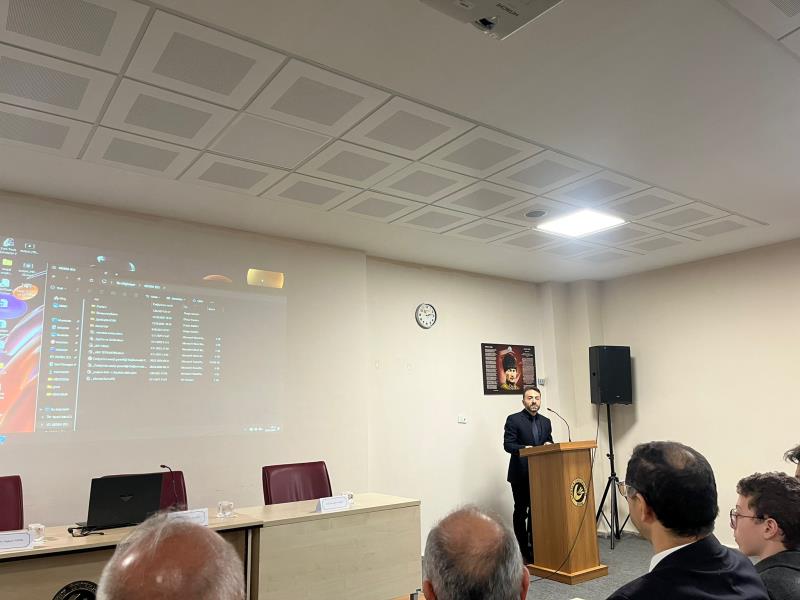
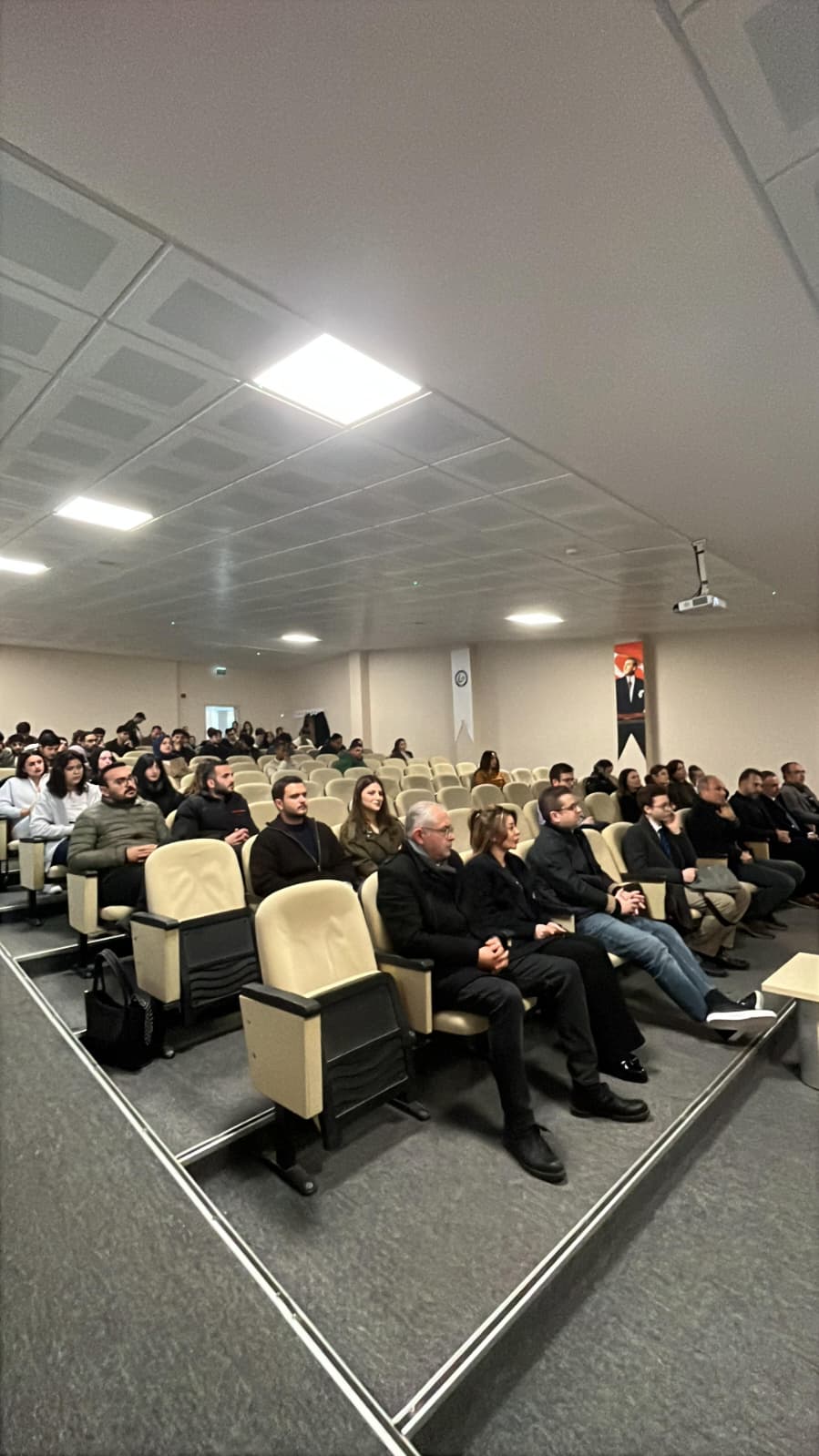
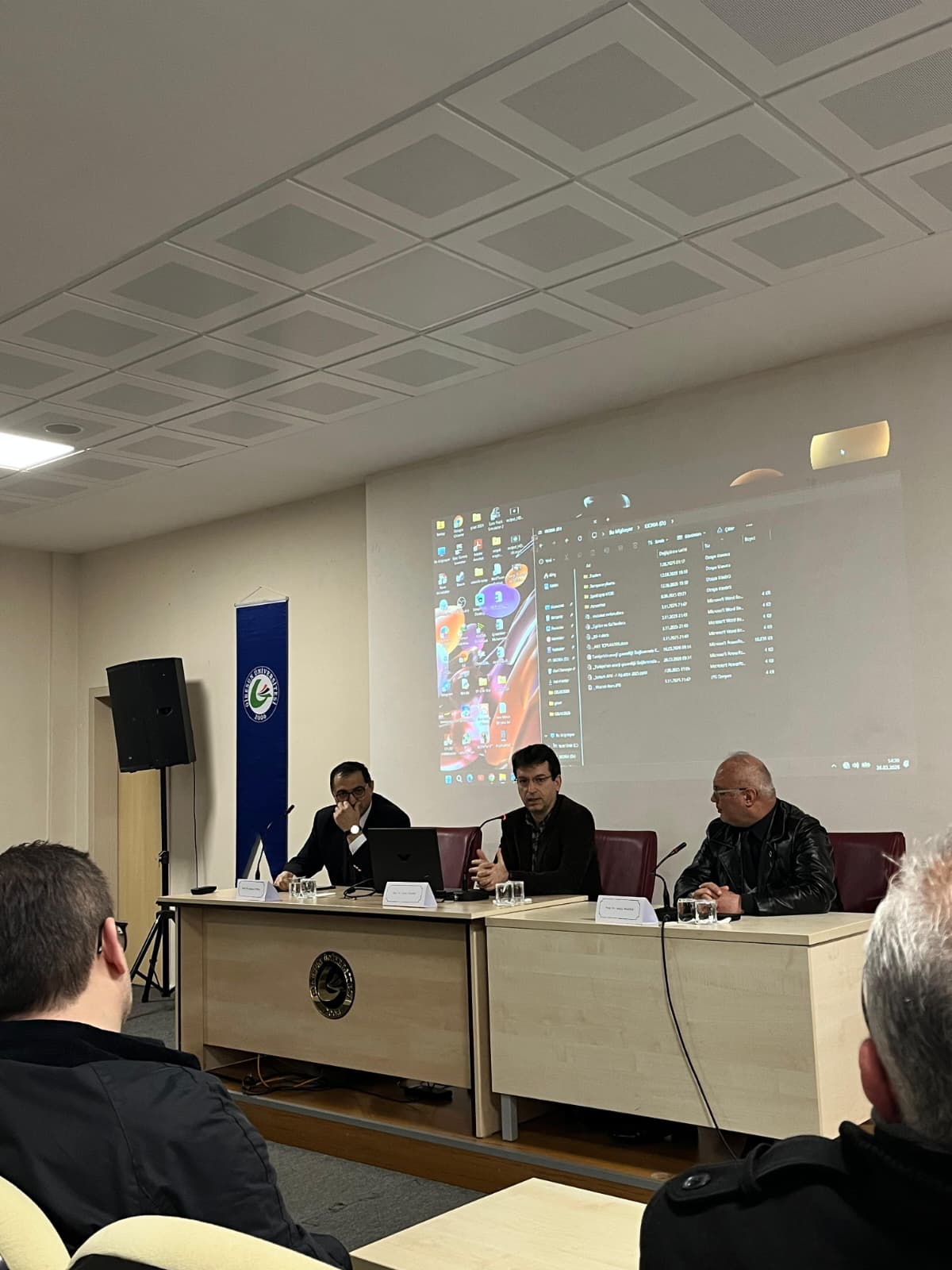
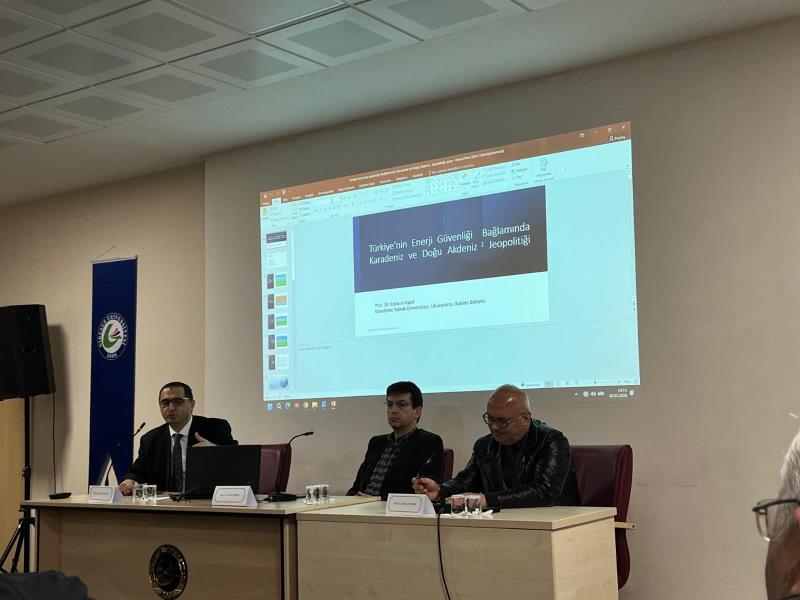
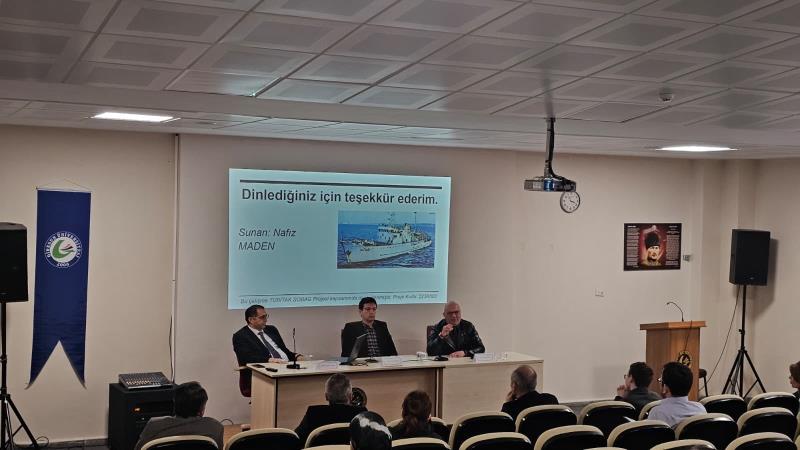
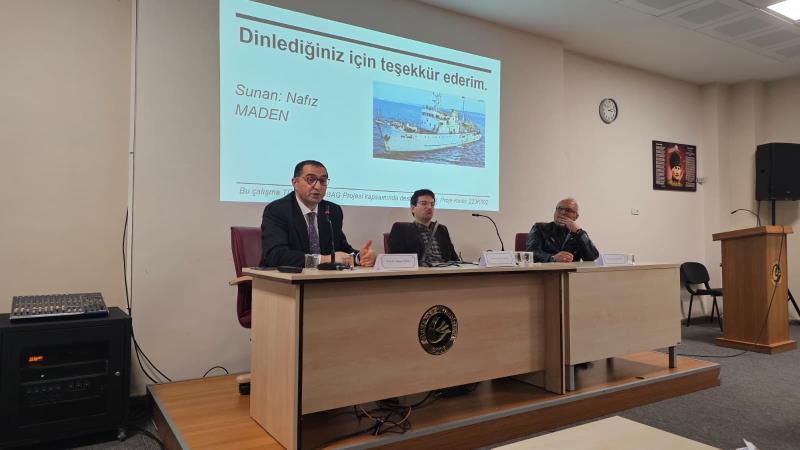
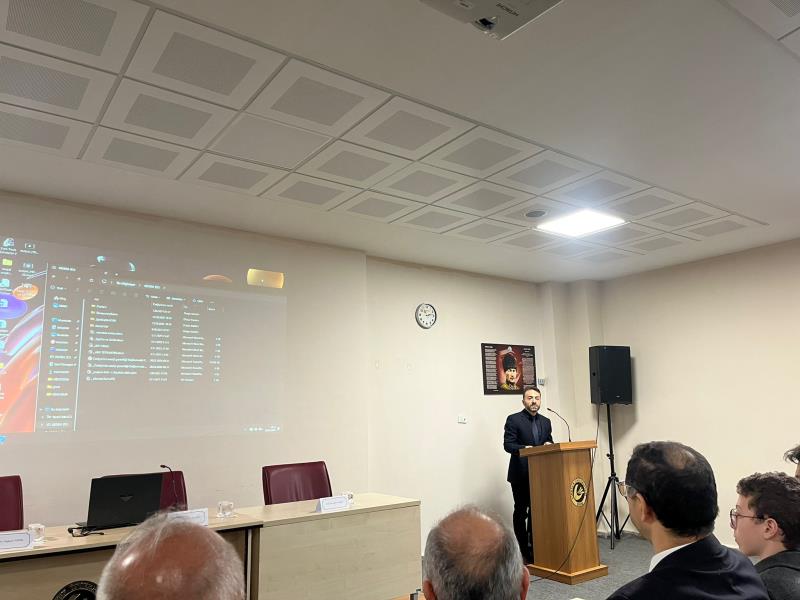
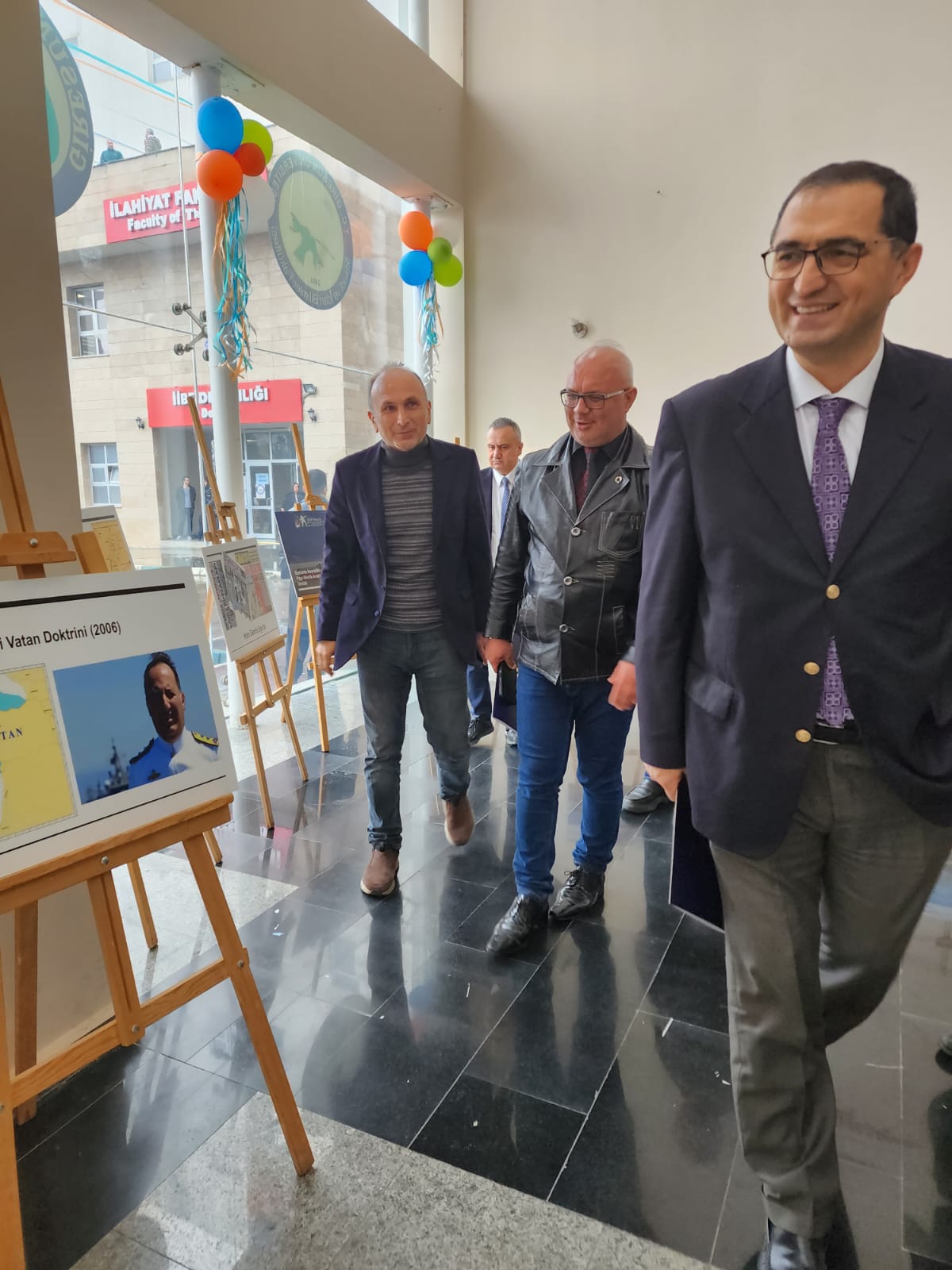
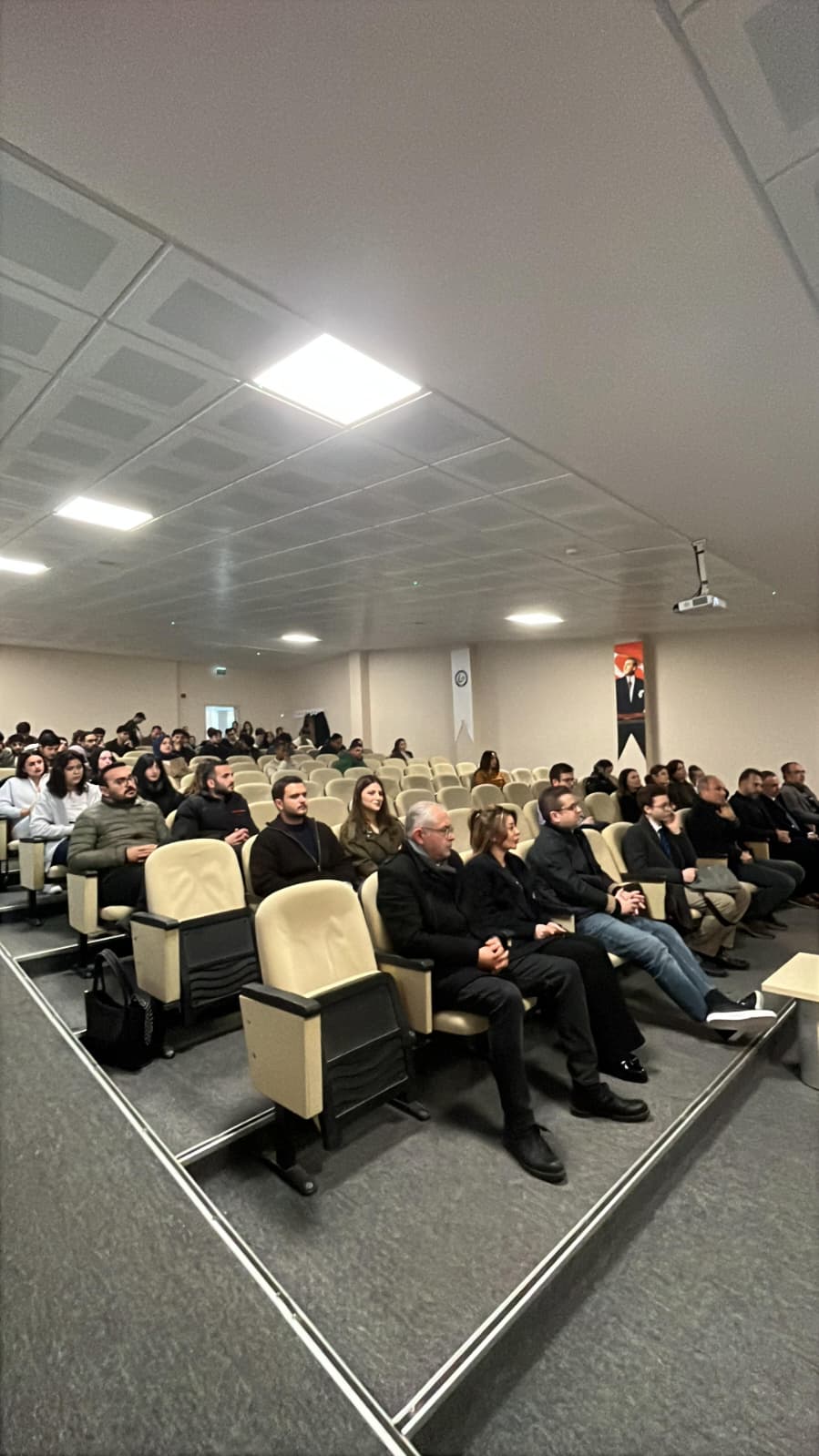
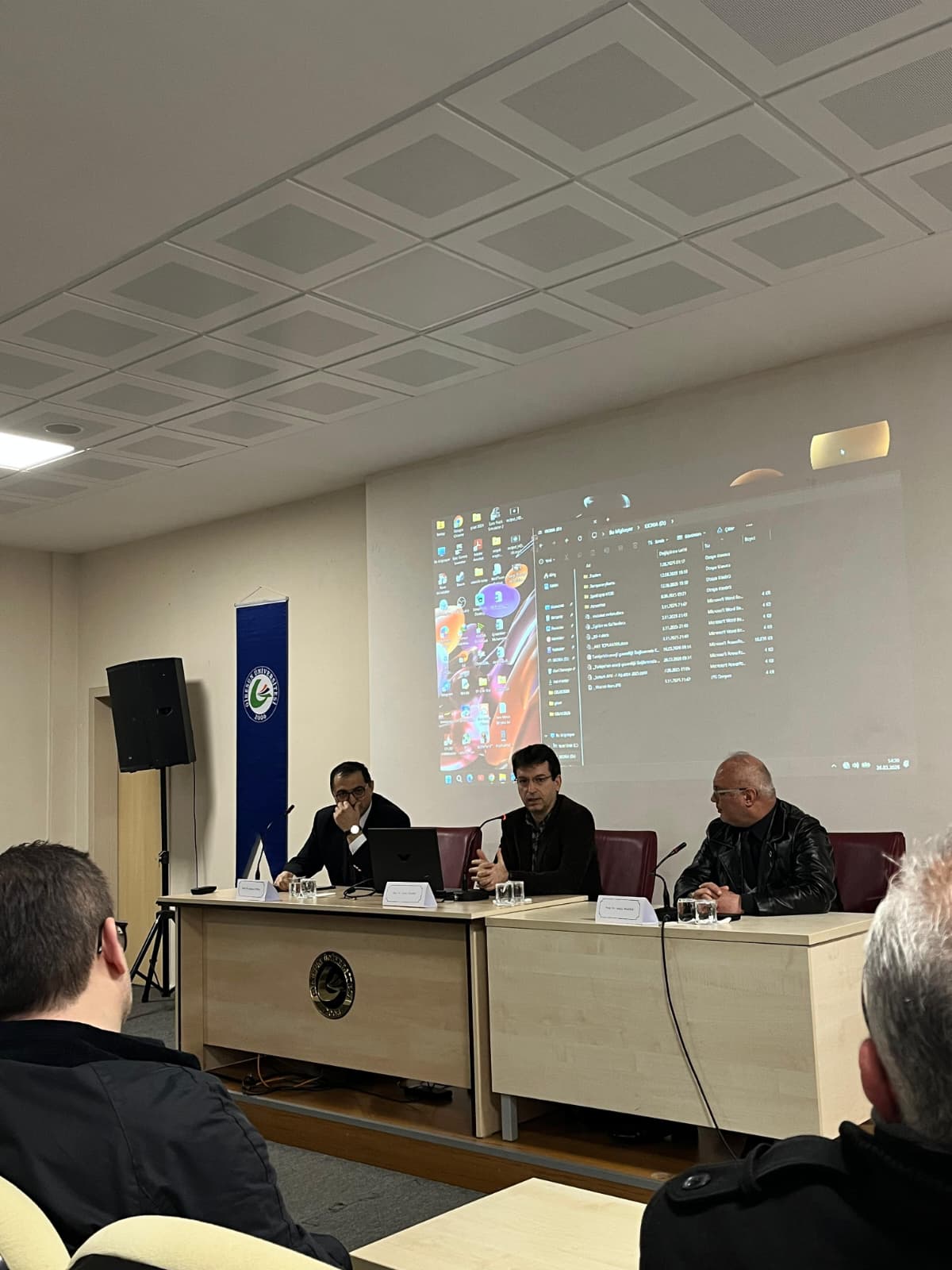
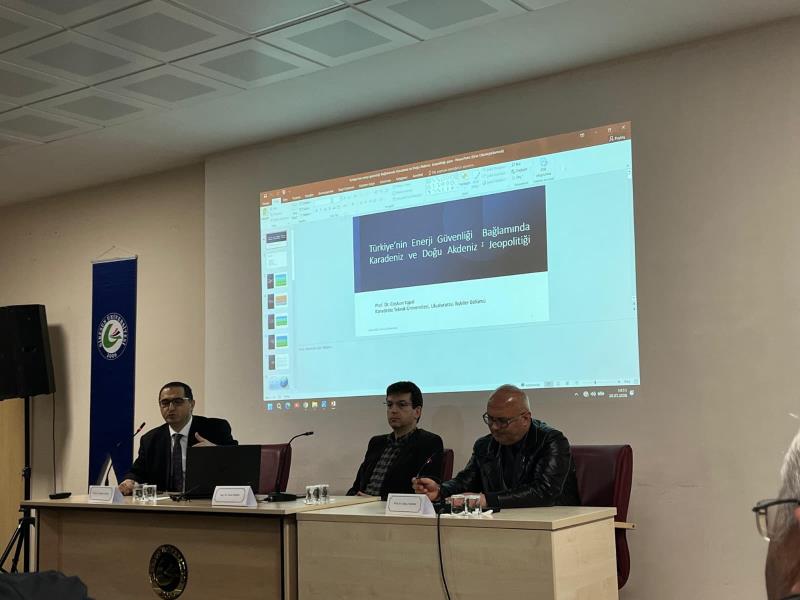
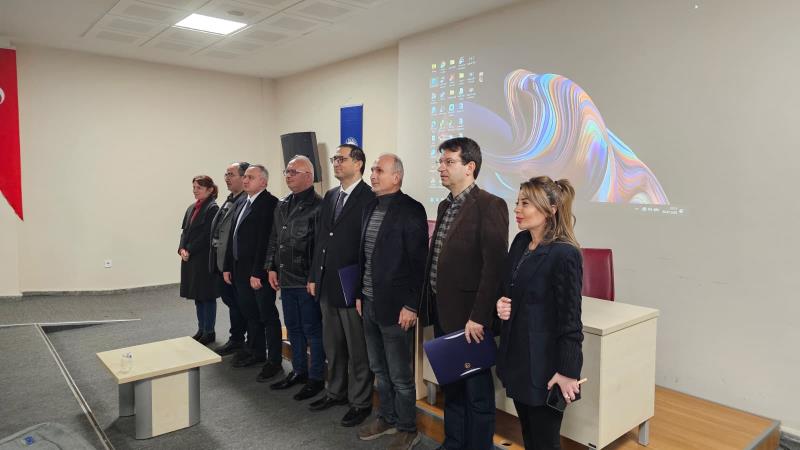
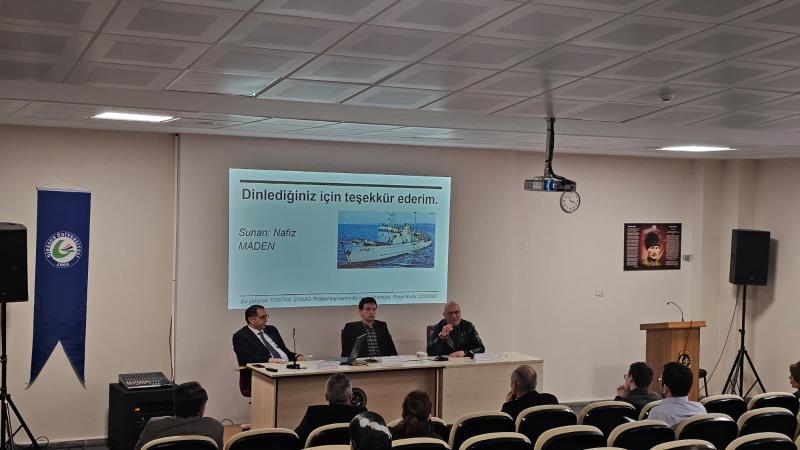
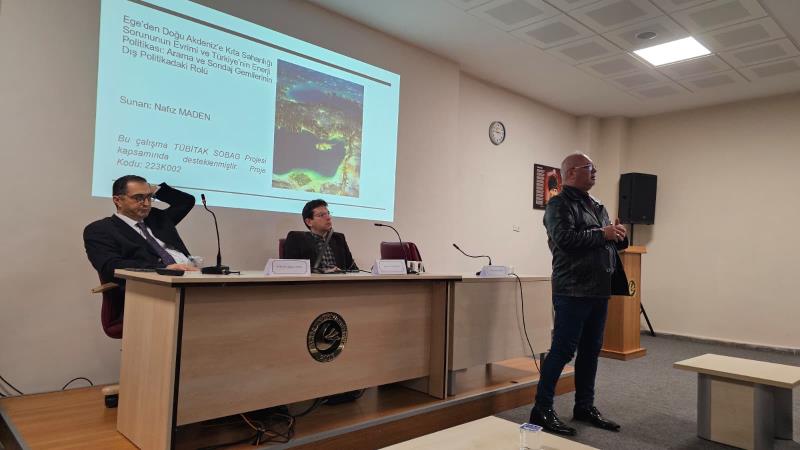
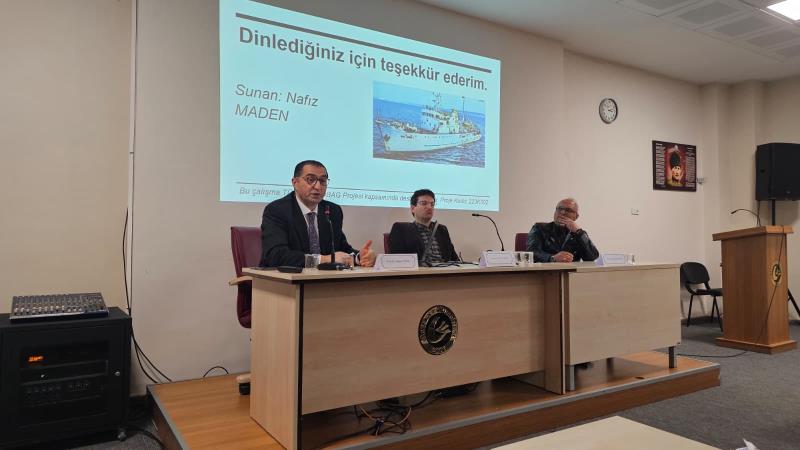
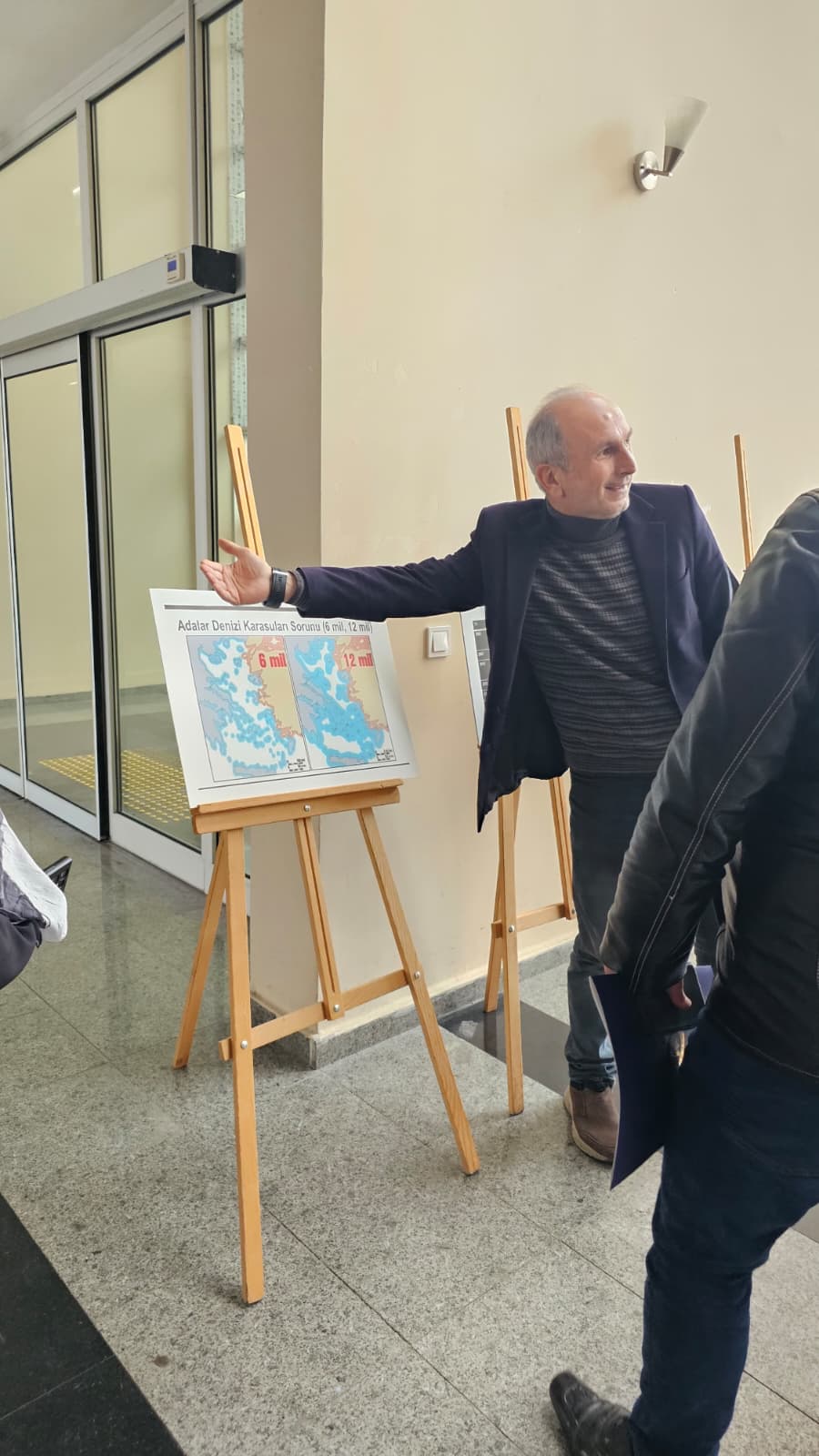
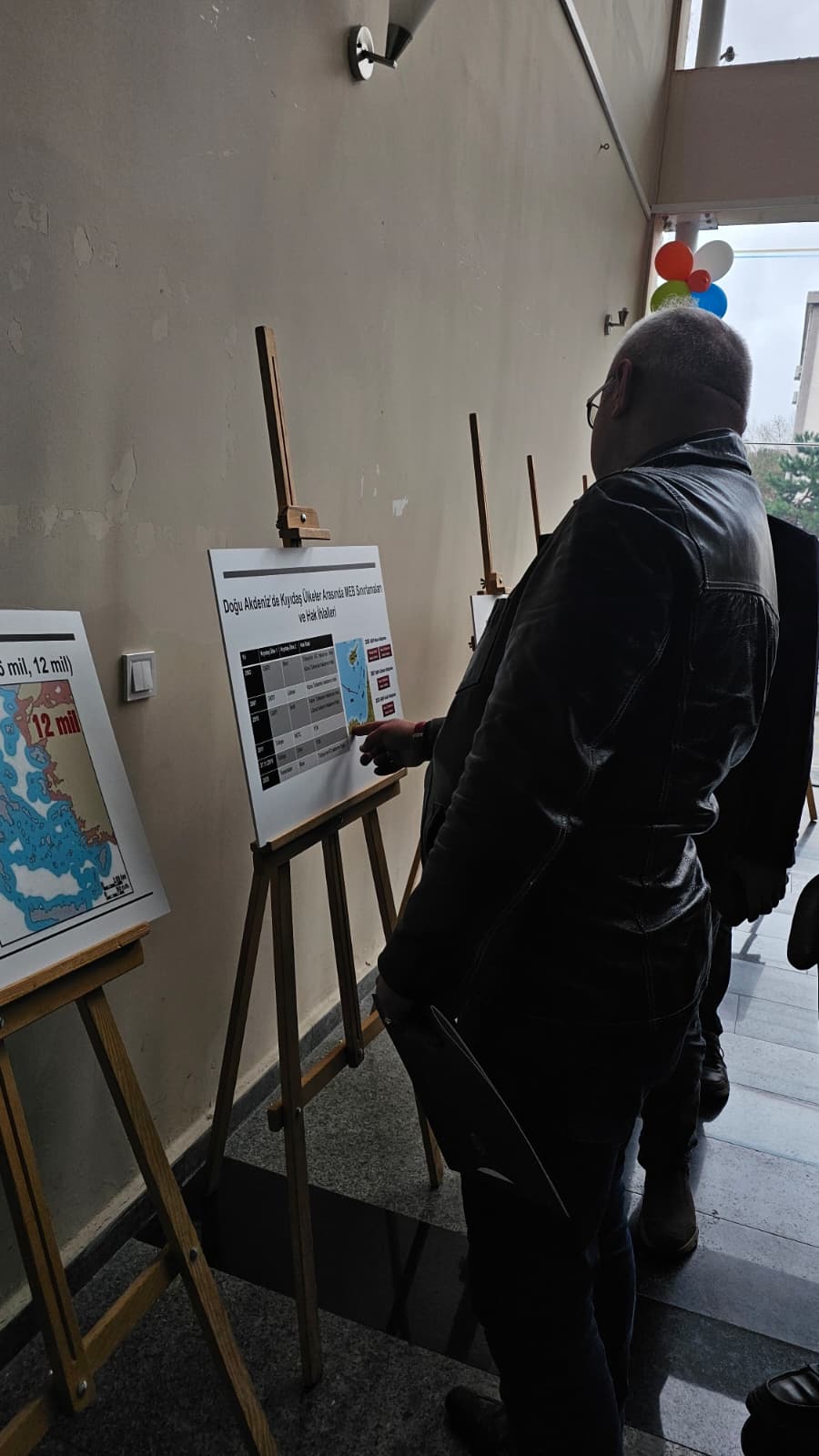
The panel titled “The Impact of Research and Drilling Vessels on Foreign Policy”, organized by the Department of International Relations in collaboration with the Giresun University Strategic Research Society and the Black Sea Strategic Research and Application Center, was held on 26 March 2026 at 14:00 in the Mevlana Hall of the Faculty of Arts and Sciences at Giresun University. The opening speech of the panel was delivered on behalf of the Department of International Relations by Dr. Tolga Çıkrıkçı, Vice Chair of the Department. The panel was moderated by Assoc. Prof. Dr. Cenk Özgen.
One of the speakers, Prof. Dr. Coşkun Topal, emphasized the importance of oil and natural gas exploration and extraction activities for countries’ foreign policies and international politics in the context of the world’s increasing energy demand. He noted that access to energy resources has become increasingly difficult due to recent developments and that countries have been seeking diversification of energy sources. In this context, he stated that countries tend to conduct more exploration activities in reliable and accessible regions.
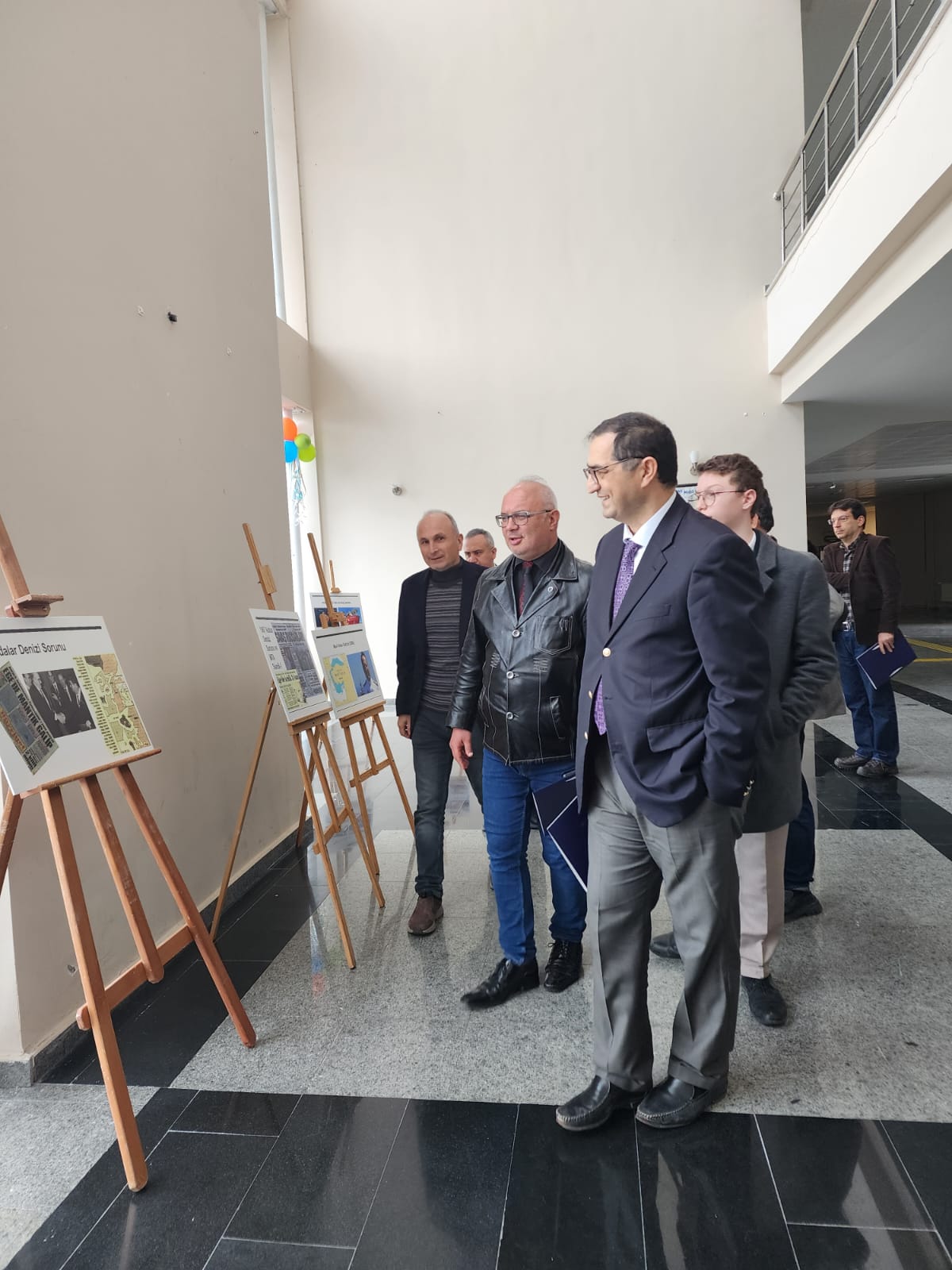
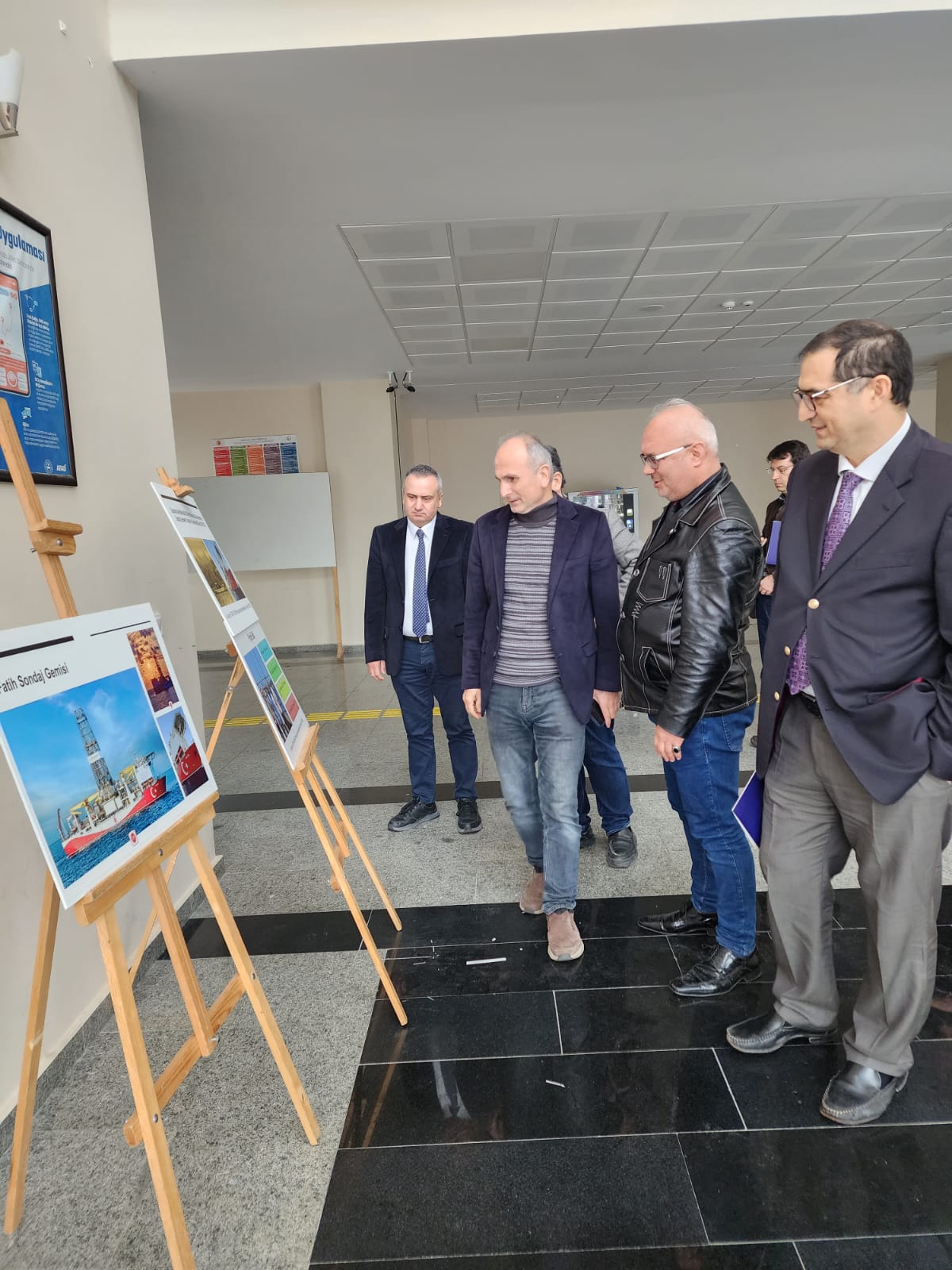
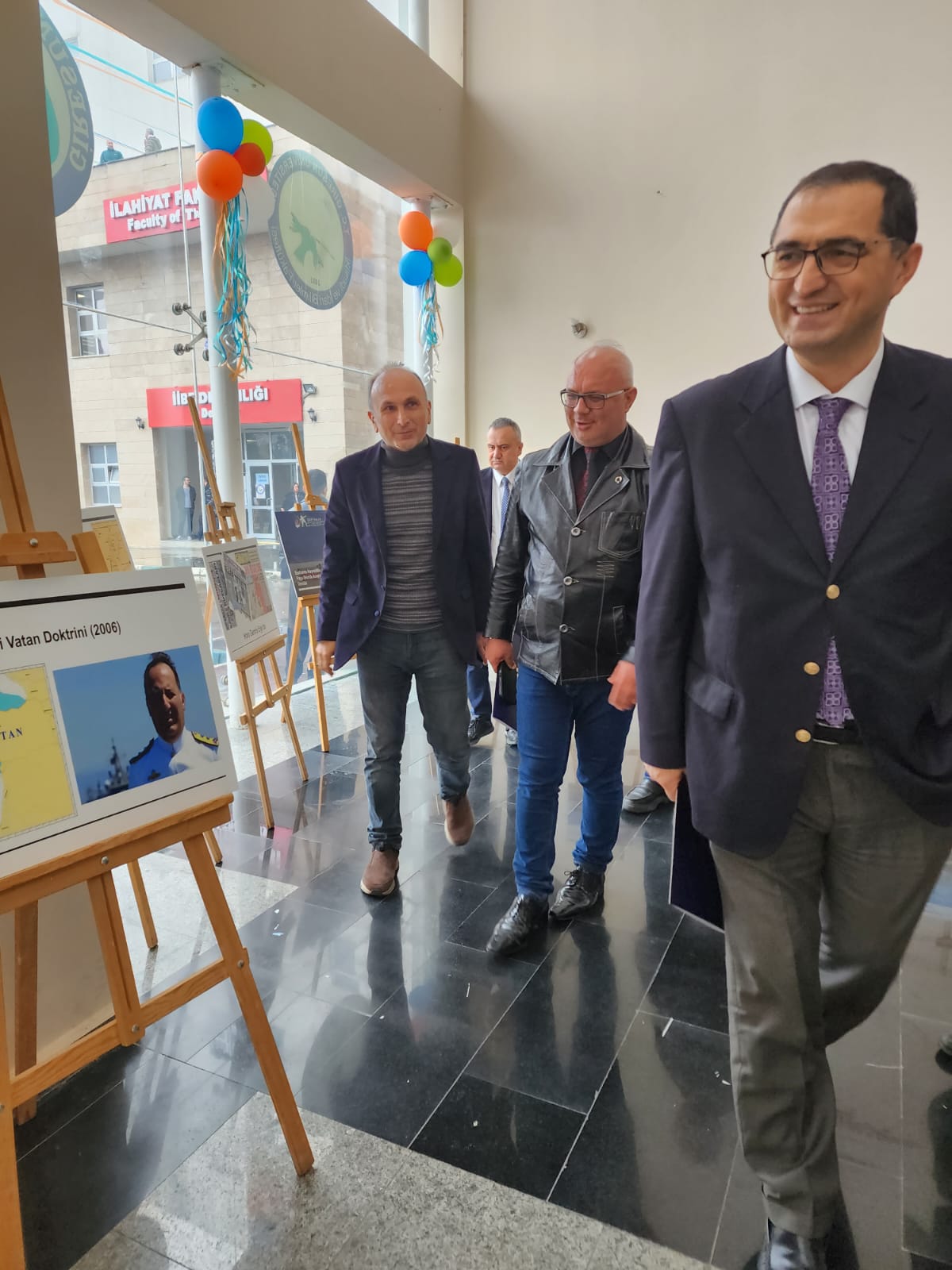
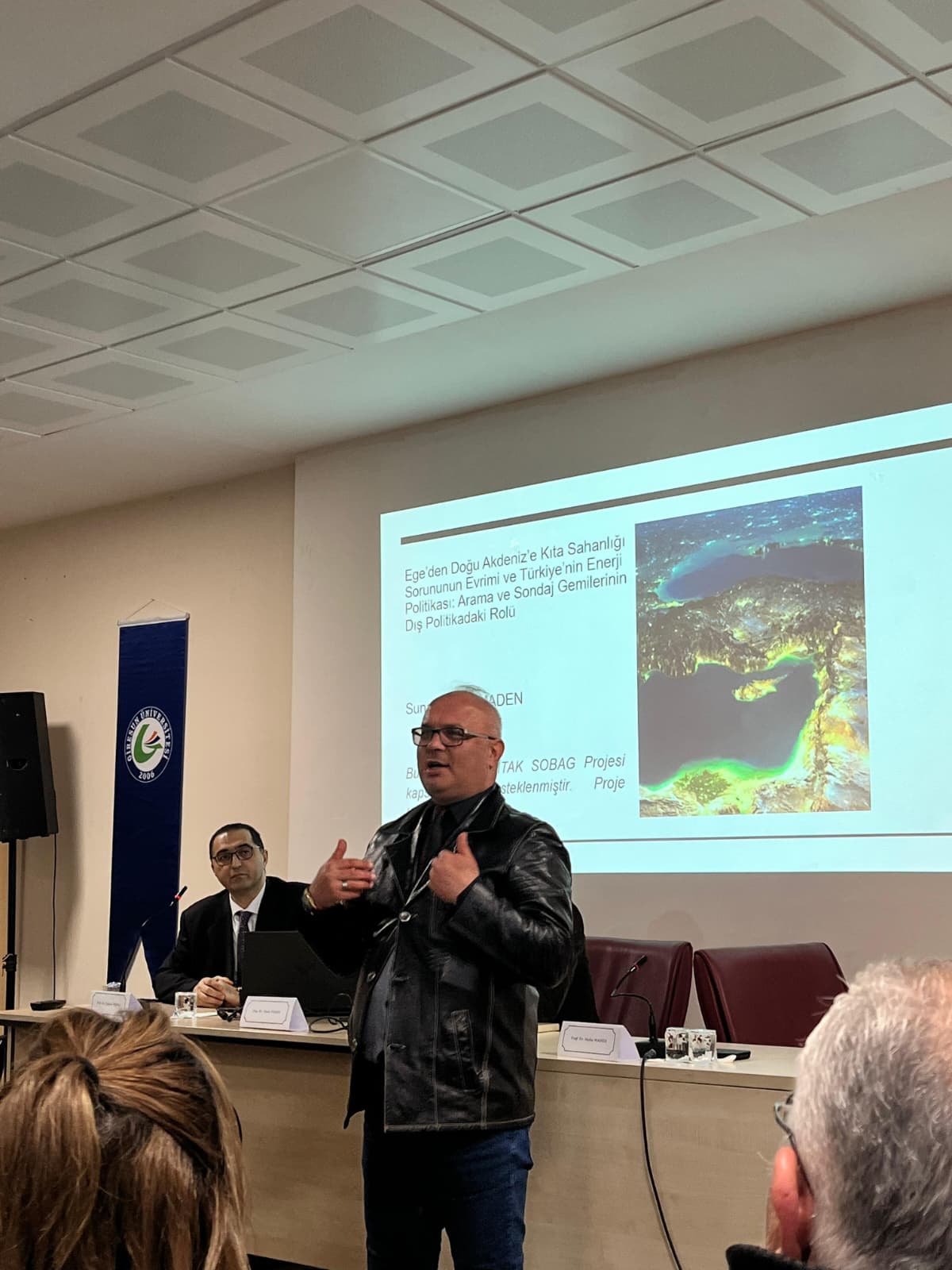
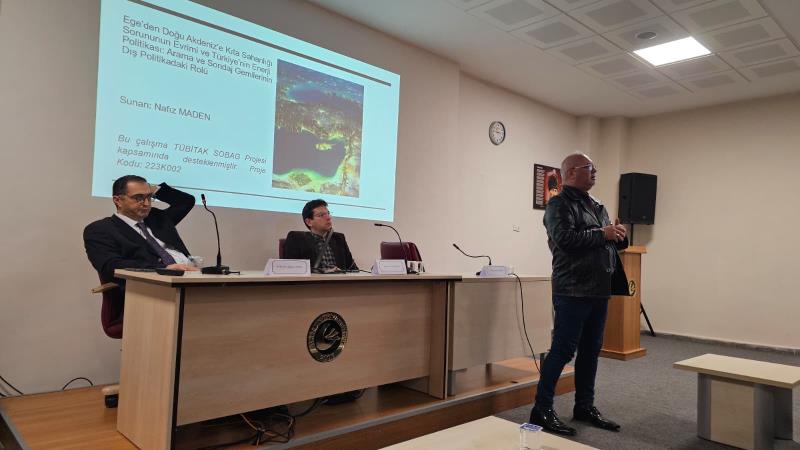
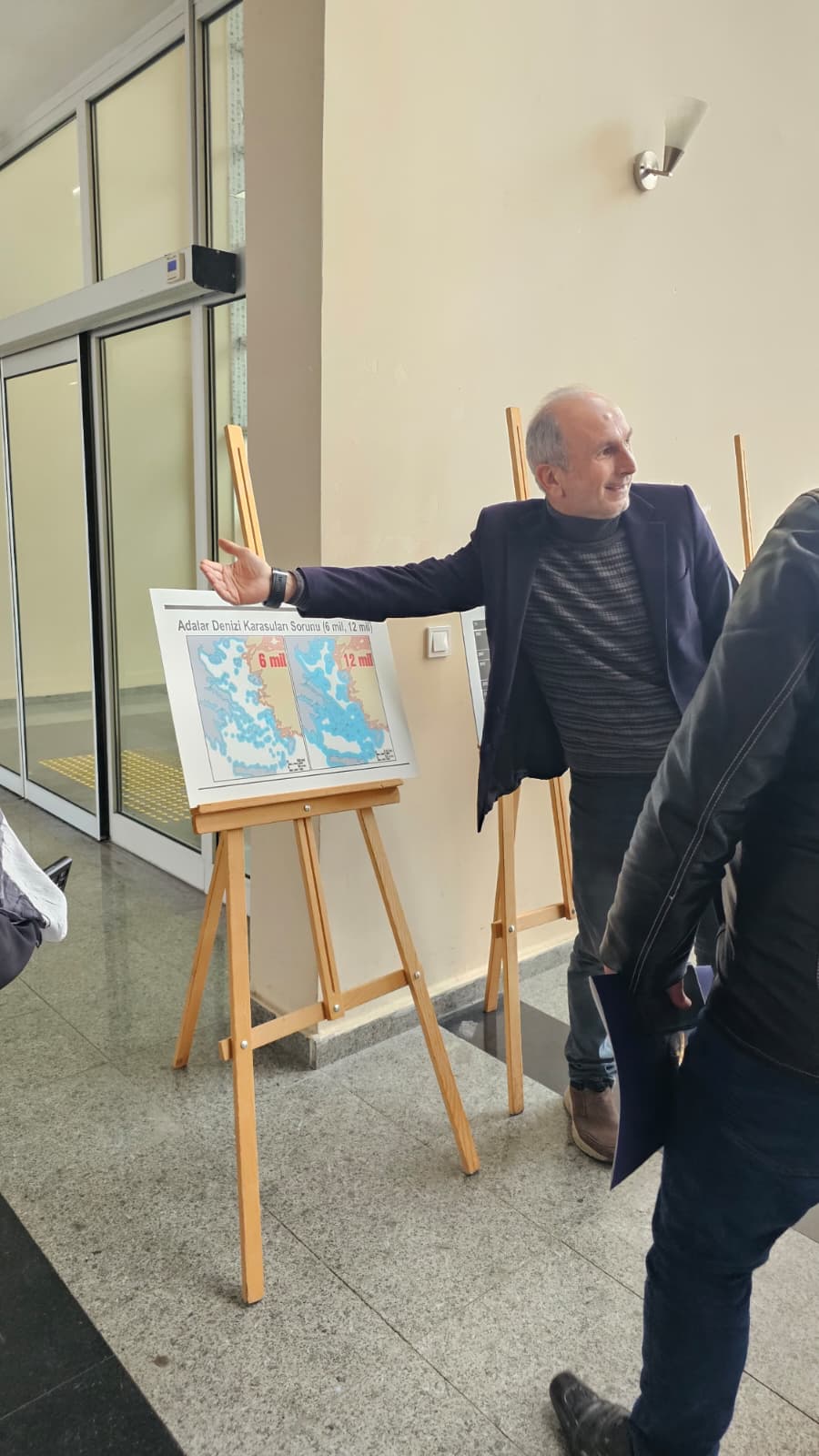
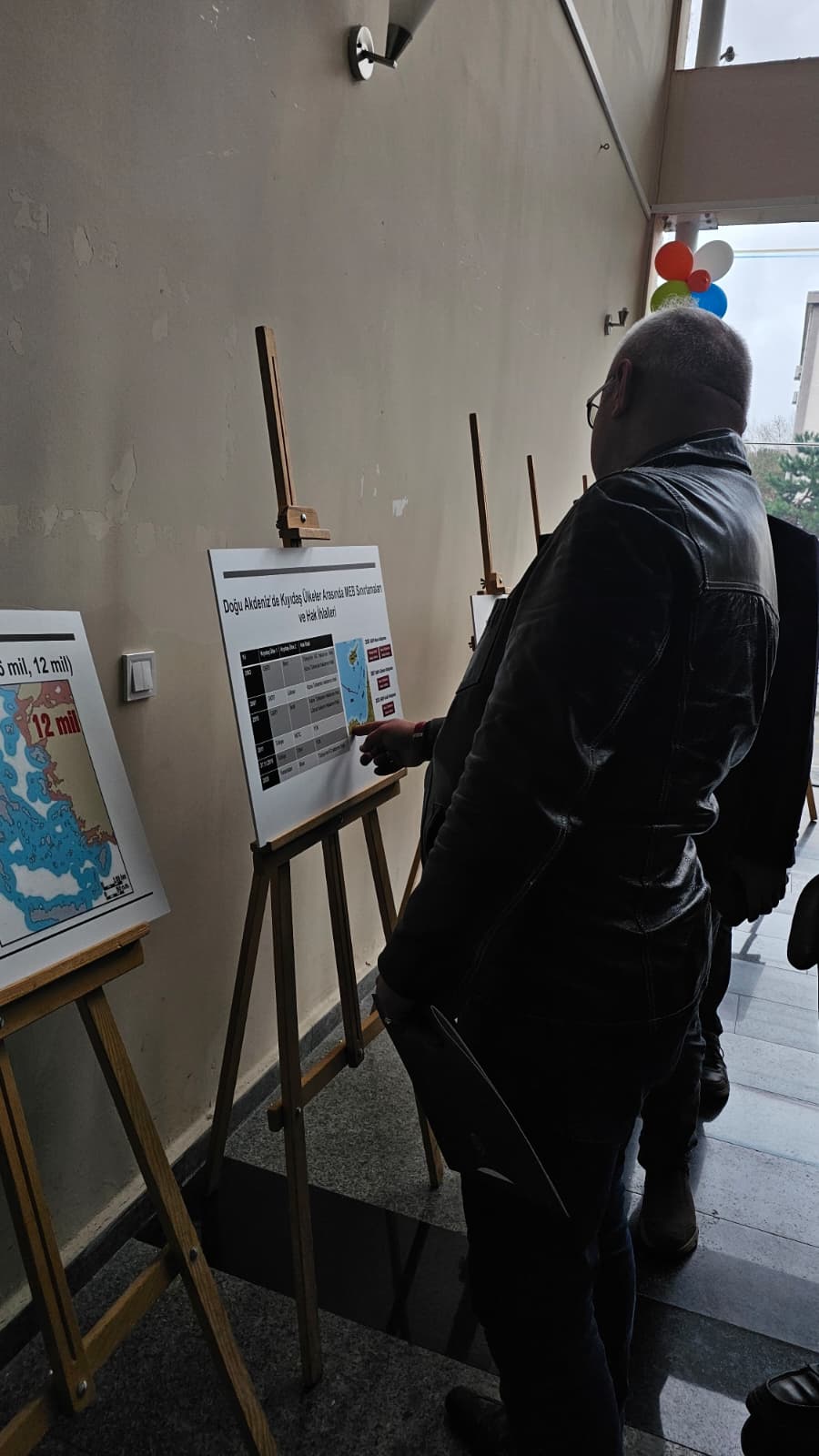
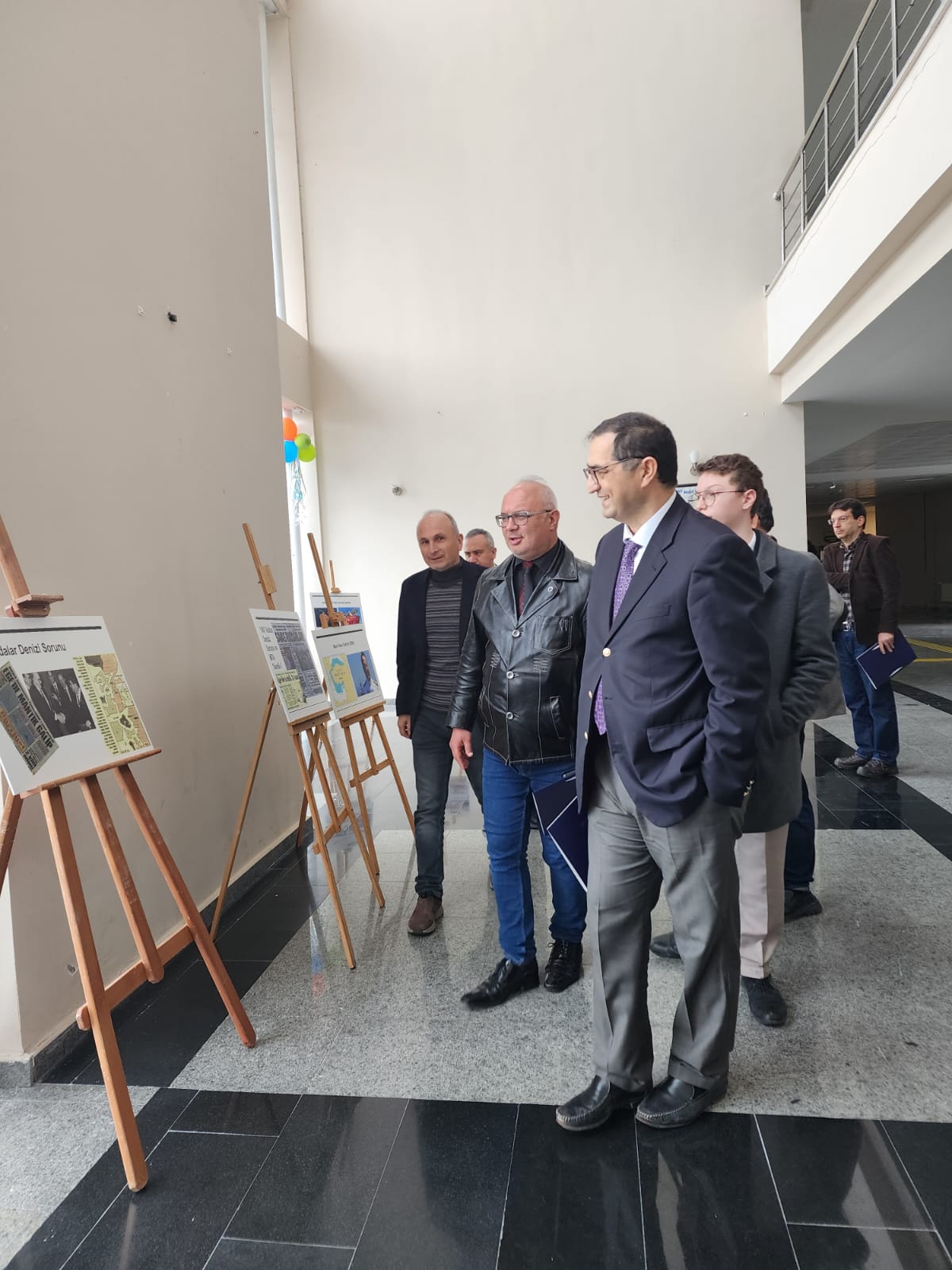
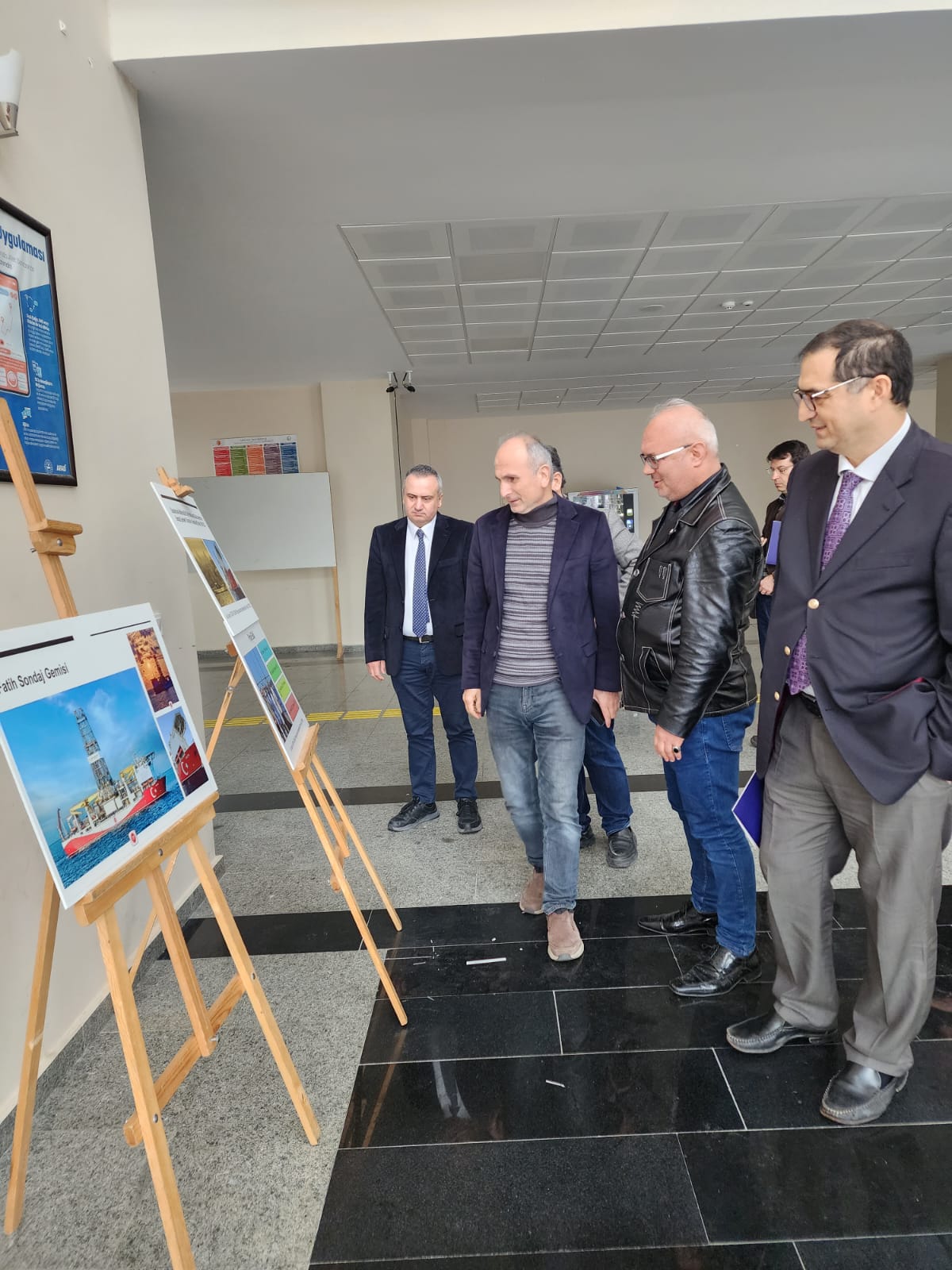
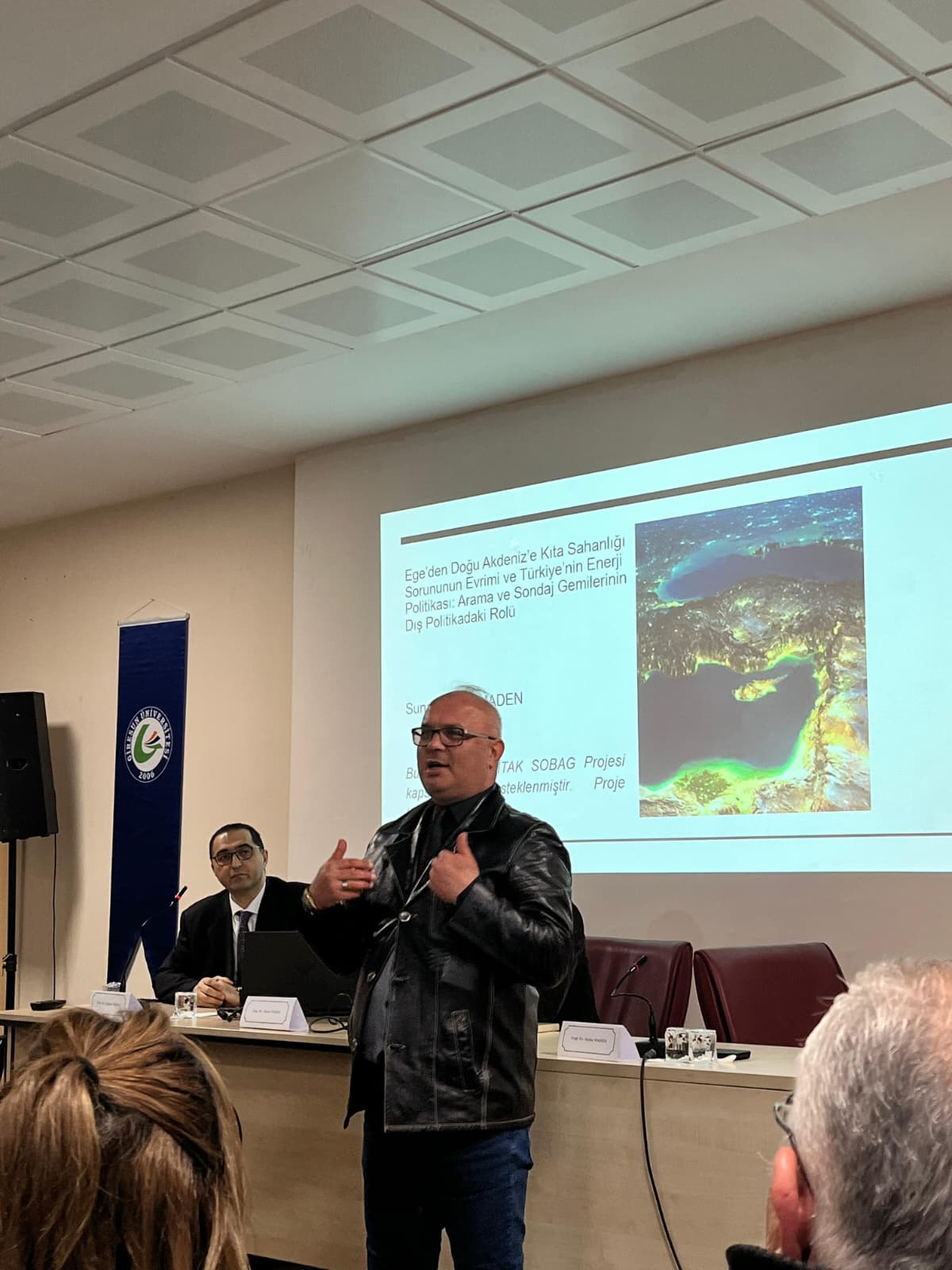
The second speaker, Prof. Dr. Nafiz Maden, presented information on the historical development of drilling and exploration activities from the Ottoman period to the present, supported by documents and visual materials. He highlighted the importance Türkiye attaches to exploration and drilling activities and addressed the technical aspects of these operations. He also emphasized that Türkiye has strengthened its drilling fleet with advanced technologies and has started conducting exploration and drilling activities not only in its own maritime areas but also in the maritime zones of friendly and allied countries.
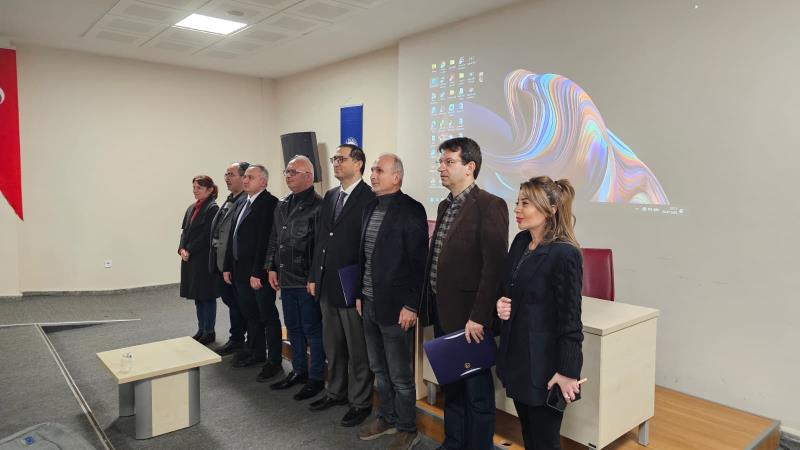
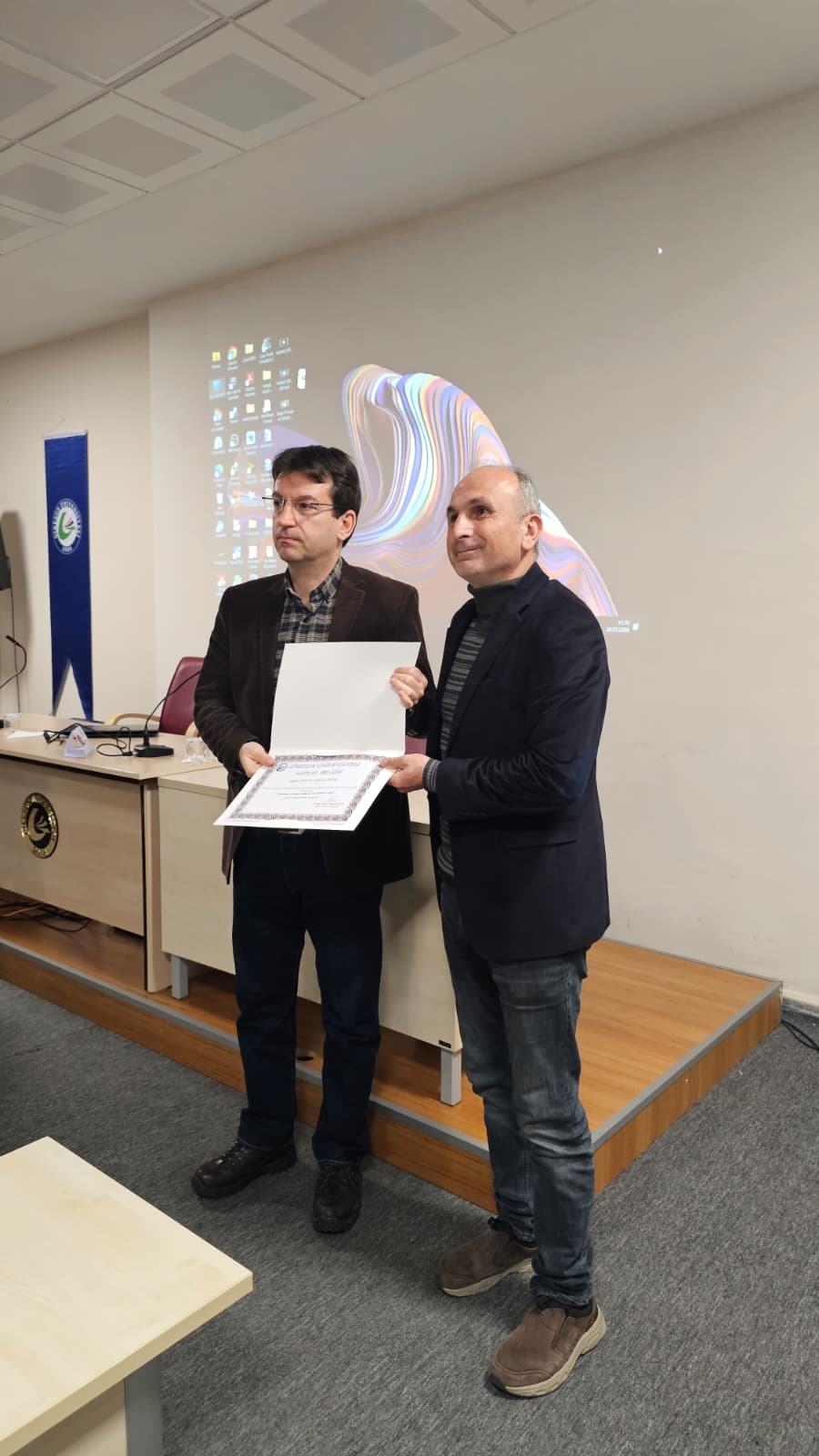
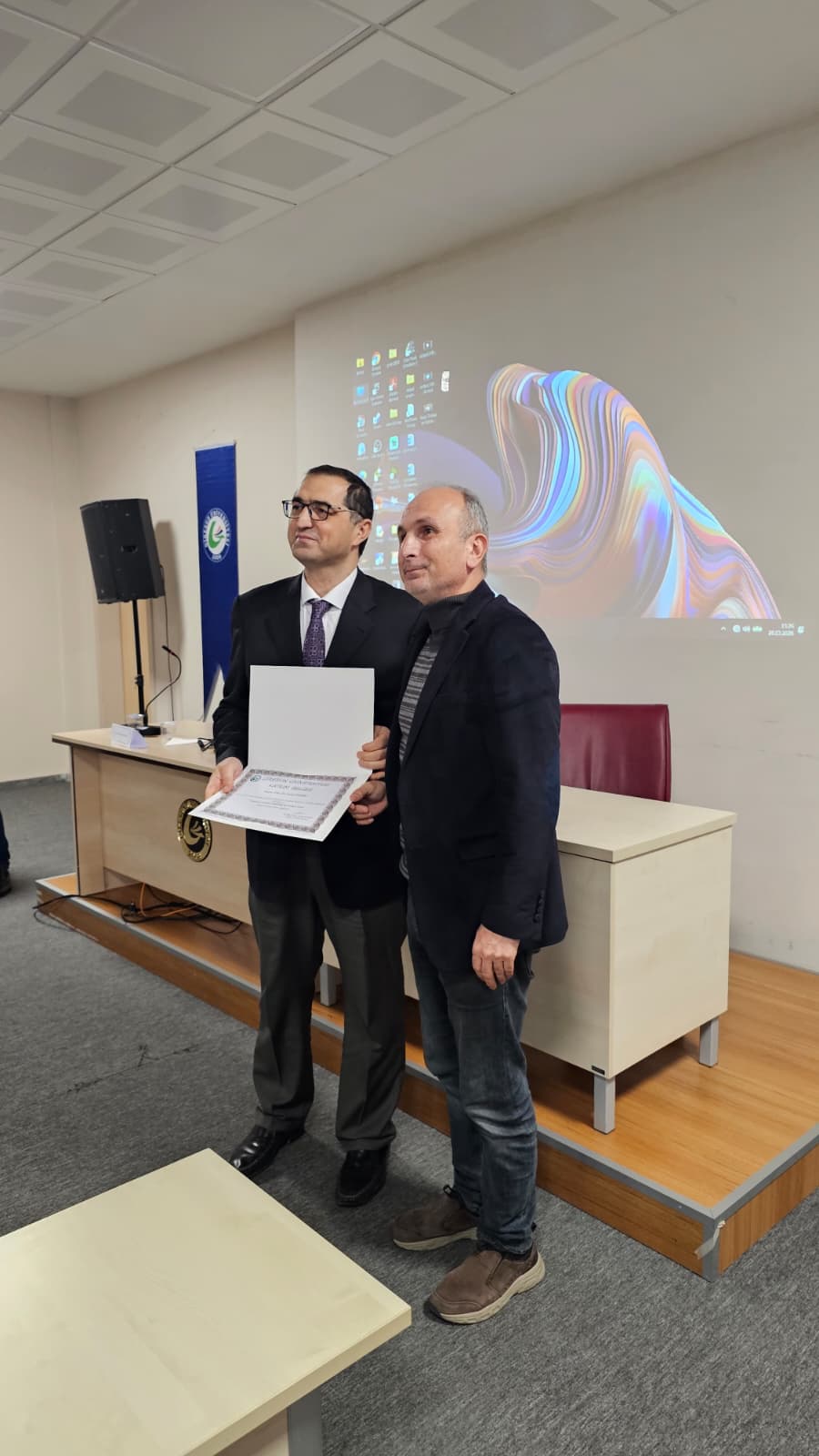
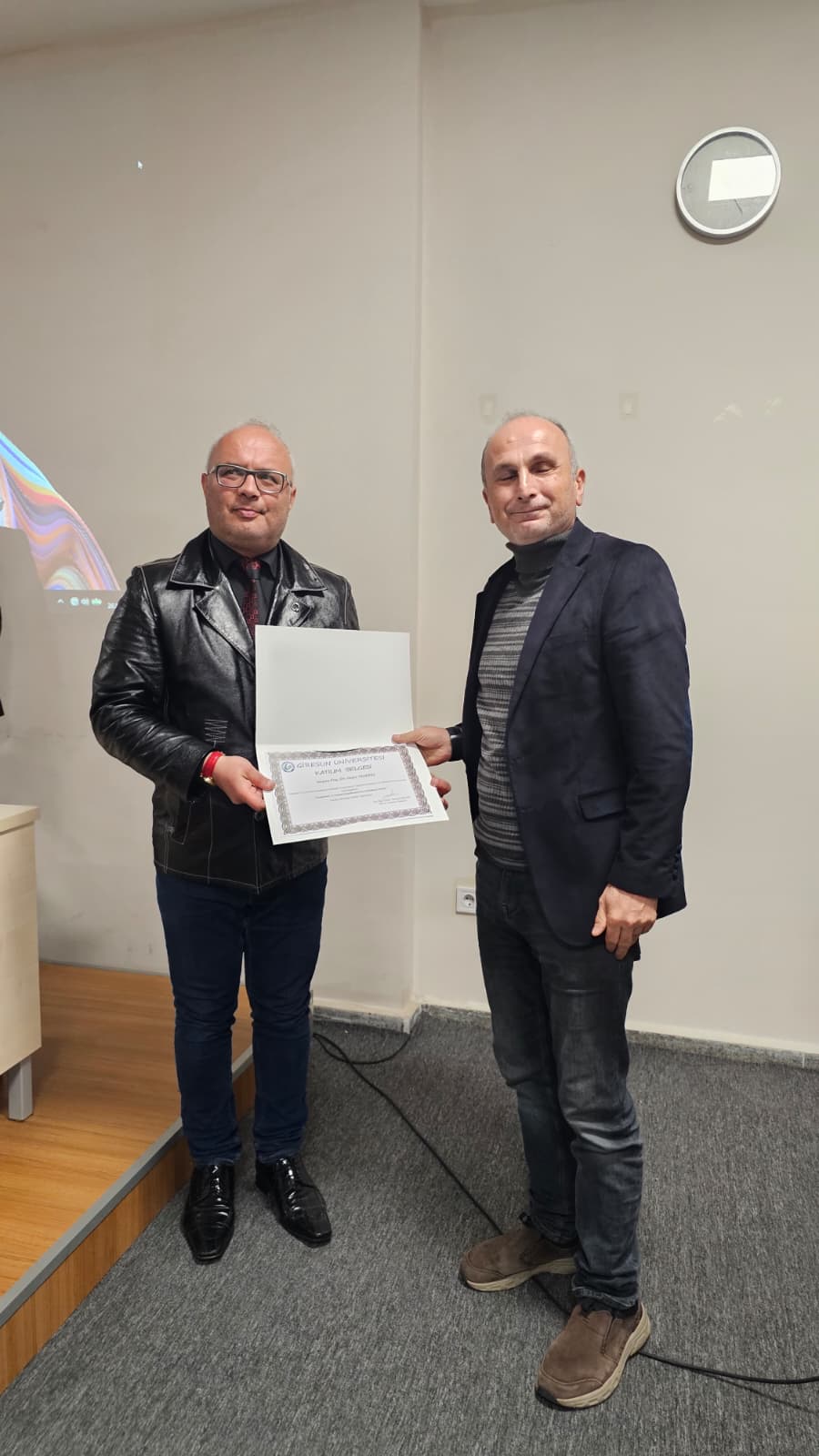
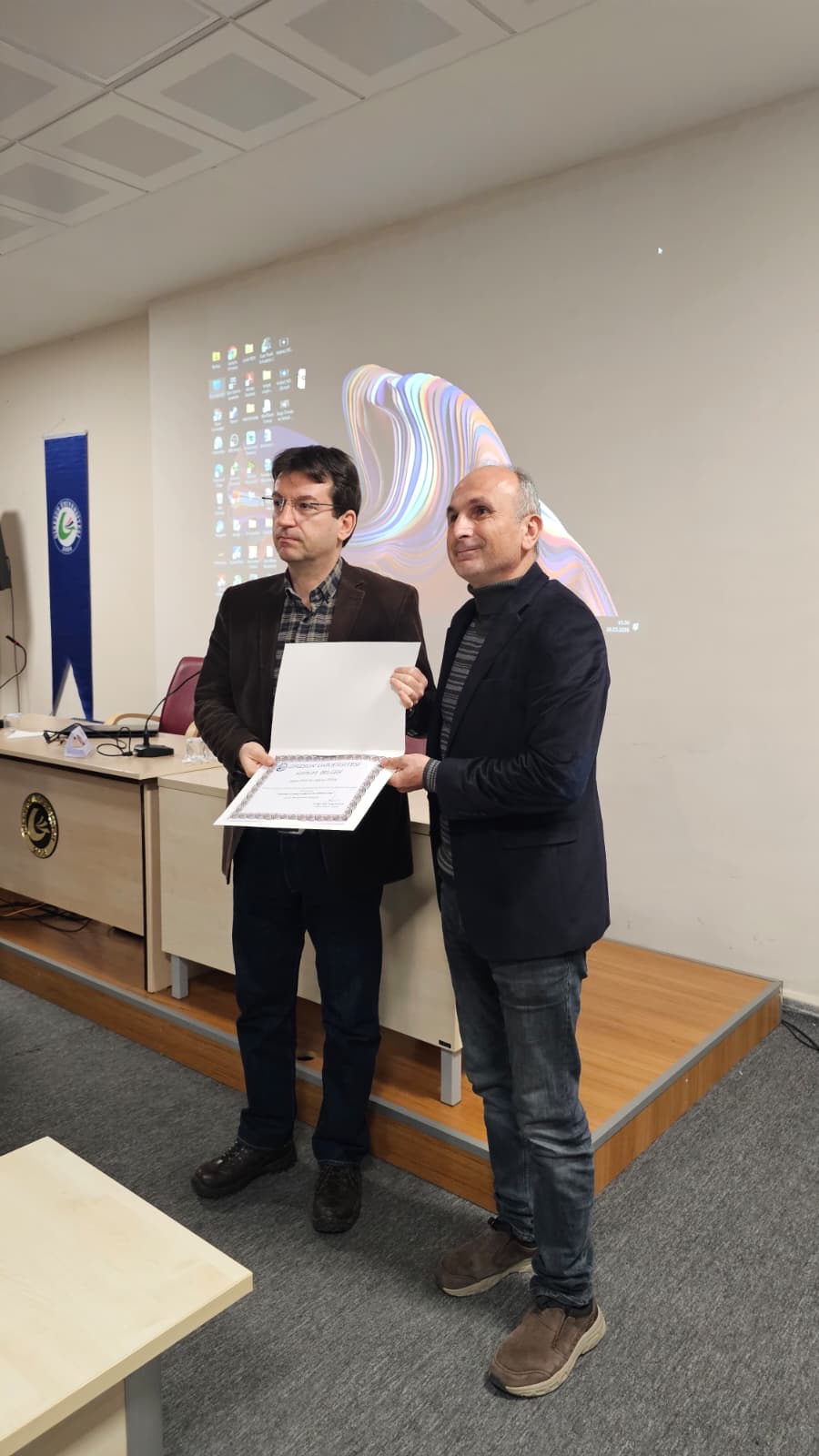
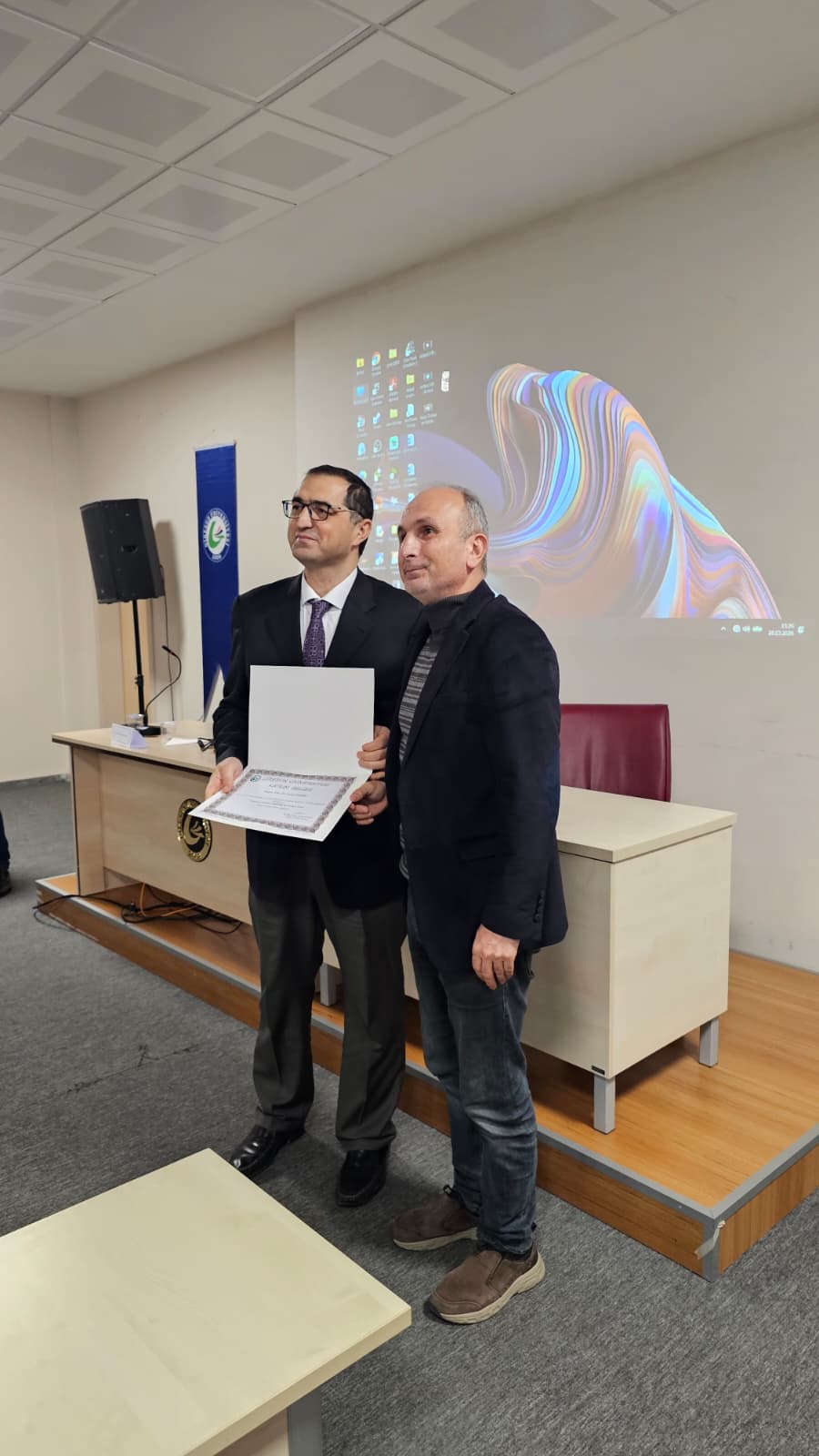
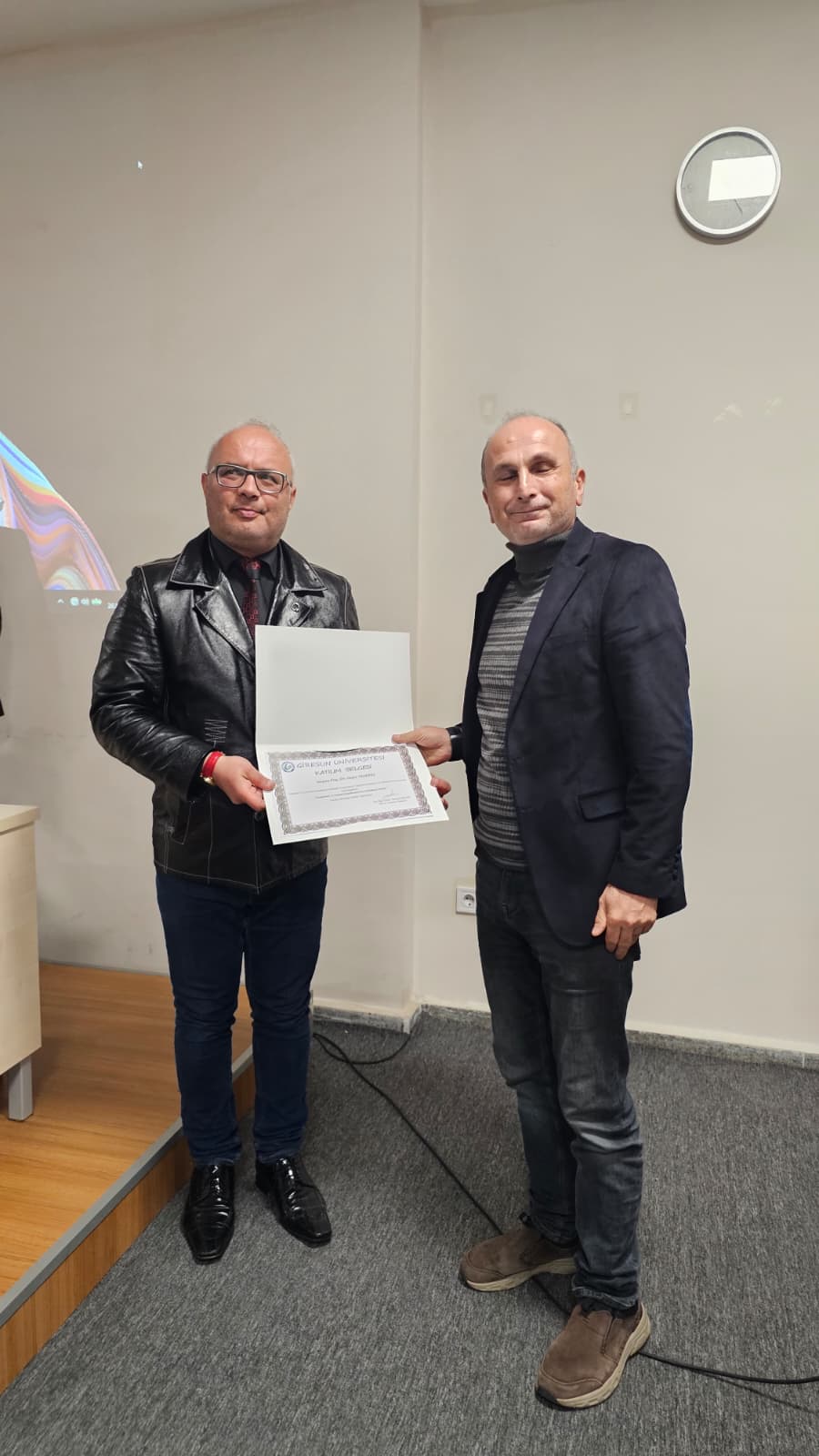
At the end of the panel, certificates of participation were presented to the speakers and the moderator by Prof. Dr. Servet Ceylan, Dean of the Faculty of Economics and Administrative Sciences at Giresun University. The event concluded with a question-and-answer session and participants’ evaluations.
The Department of International Relations would like to thank the speakers for their valuable contributions and all participants for their interest.